
Global Strategy Vision — As Featured in Newsweek
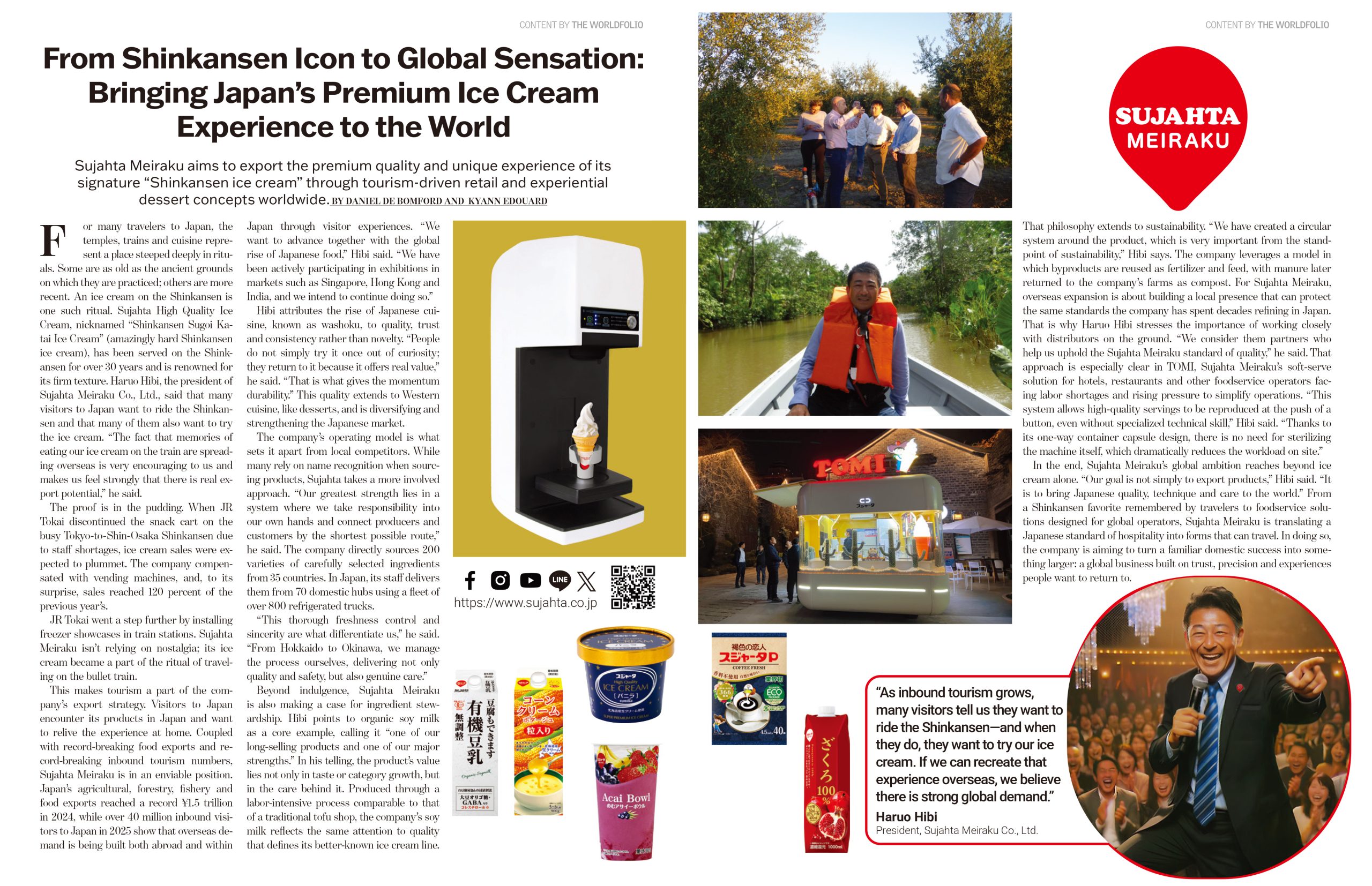
(Newsweek International 03.07.2026)
From Shinkansen Icon to Global Sensation: Bringing Japan’s Premium Ice Cream Experience to the World
Sujahta Meiraku aims to export the premium quality and unique experience of its signature “Shinkansen ice cream” through tourism-driven retail and experiential dessert concepts worldwide.
“As inbound tourism grows, many visitors tell us they want to ride the Shinkansen—and when they do, they want to try our ice cream. If we can recreate that experience overseas, we believe there is strong global demand.” Haruo Hibi, President.
By Daniel de Bomford, Kyann Edouard
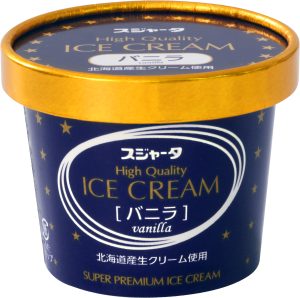
For many travelers to Japan, the temples, trains and cuisine represent a place steeped deeply in rituals. Some are as old as the ancient grounds on which they are practiced; others are more recent. An ice cream on the Shinkansen is one such ritual. Sujahta High Quality Ice Cream, nicknamed “Shinkansen Sugoi Katai Ice Cream” (amazingly hard Shinkansen ice cream), has been served on the Shinkansen for over 30 years and is renowned for its firm texture. Haruo Hibi, the president of Sujahta Meiraku, said that many visitors to Japan want to ride the Shinkansen and that many of them also want to try the ice cream. “The fact that memories of eating our ice cream on the train are spreading overseas is very encouraging to us and makes us feel strongly that there is real export potential,” he said.
The proof is in the pudding. When JR Tokai discontinued the snack cart on the busy Tokyo-to-Shin-Osaka Shinkansen due to staff shortages, ice cream sales were expected to plummet. The company compensated with vending machines, and, to its surprise, sales reached 120 percent of the previous year’s.
JR Tokai went a step further by installing freezer showcases in train stations. Sujahta Meiraku isn’t relying on nostalgia; its ice cream became a part of the ritual of traveling on the bullet train.
This makes tourism a part of the company’s export strategy. Visitors to Japan encounter its products in Japan and want to relive the experience at home. Coupled with record-breaking food exports and record-breaking inbound tourism numbers, Sujahta Meiraku is in an enviable position. Japan’s agricultural, forestry, fishery and food exports reached a record ¥1.5 trillion in 2024, while over 40 million inbound visitors to Japan in 2025 show that overseas demand is being built both abroad and within Japan through visitor experiences. “We want to advance together with the global rise of Japanese food,” Hibi said. “We have been actively participating in exhibitions in markets such as Singapore, Hong Kong and India, and we intend to continue doing so.”
Hibi attributes the rise of Japanese cuisine, known as washoku, to quality, trust and consistency rather than novelty. “People do not simply try it once out of curiosity; they return to it because it offers real value,” he said. “That is what gives the momentum durability.” This quality extends to Western cuisine, like desserts, and is diversifying and strengthening the Japanese market.
The company’s operating model is what sets it apart from local competitors. While many rely on name recognition when sourcing products, Sujahta takes a more involved approach. “Our greatest strength lies in a system where we take responsibility into our own hands and connect producers and customers by the shortest possible route,” he said. The company directly sources 200 varieties of carefully selected ingredients from 35 countries. In Japan, its staff delivers them from 70 domestic hubs using a fleet of over 800 refrigerated trucks.
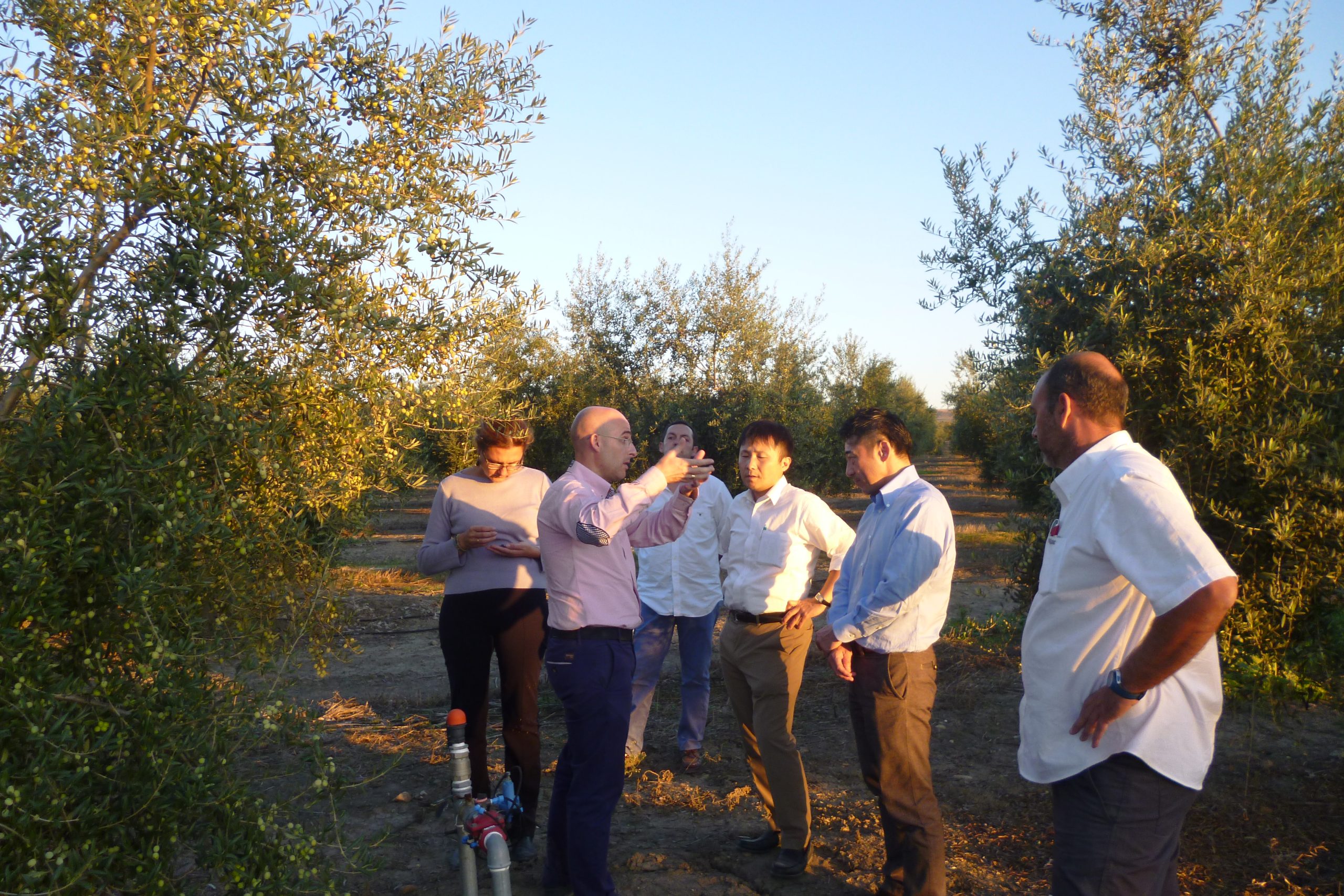
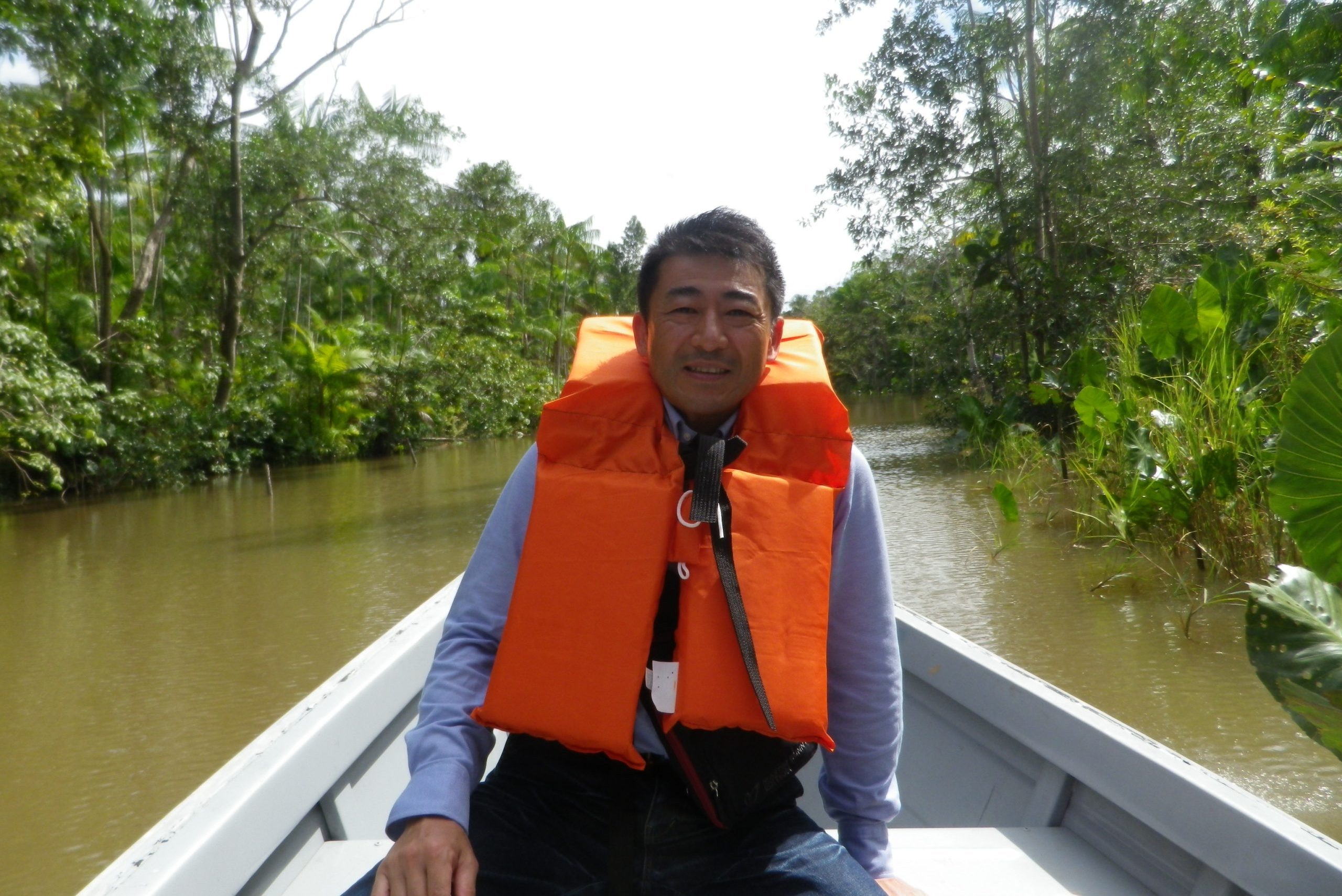
“This thorough freshness control and sincerity are what differentiate us,” he said. “From Hokkaido to Okinawa, we manage the process ourselves, delivering not only quality and safety, but also genuine care.”
Beyond indulgence, Sujahta Meiraku is also making a case for ingredient stewardship. Hibi points to organic soy milk as a core example, calling it “one of our long-selling products and one of our major strengths.” In his telling, the product’s value lies not only in taste or category growth, but in the care behind it. Produced through a labor-intensive process comparable to that of a traditional tofu shop, the company’s soy milk reflects the same attention to quality that defines its better-known ice cream line.
That philosophy extends to sustainability. “We have created a circular system around the product, which is very important from the standpoint of sustainability,” Hibi says. The company leverages a model in which byproducts are reused as fertilizer and feed, with manure later returned to the company’s farms as compost.
For Sujahta Meiraku, overseas expansion is about building a local presence that can protect the same standards the company has spent decades refining in Japan. That is why Haruo Hibi stresses the importance of working closely with distributors on the ground. “We consider them partners who help us uphold the Sujahta Meiraku standard of quality,” he said.
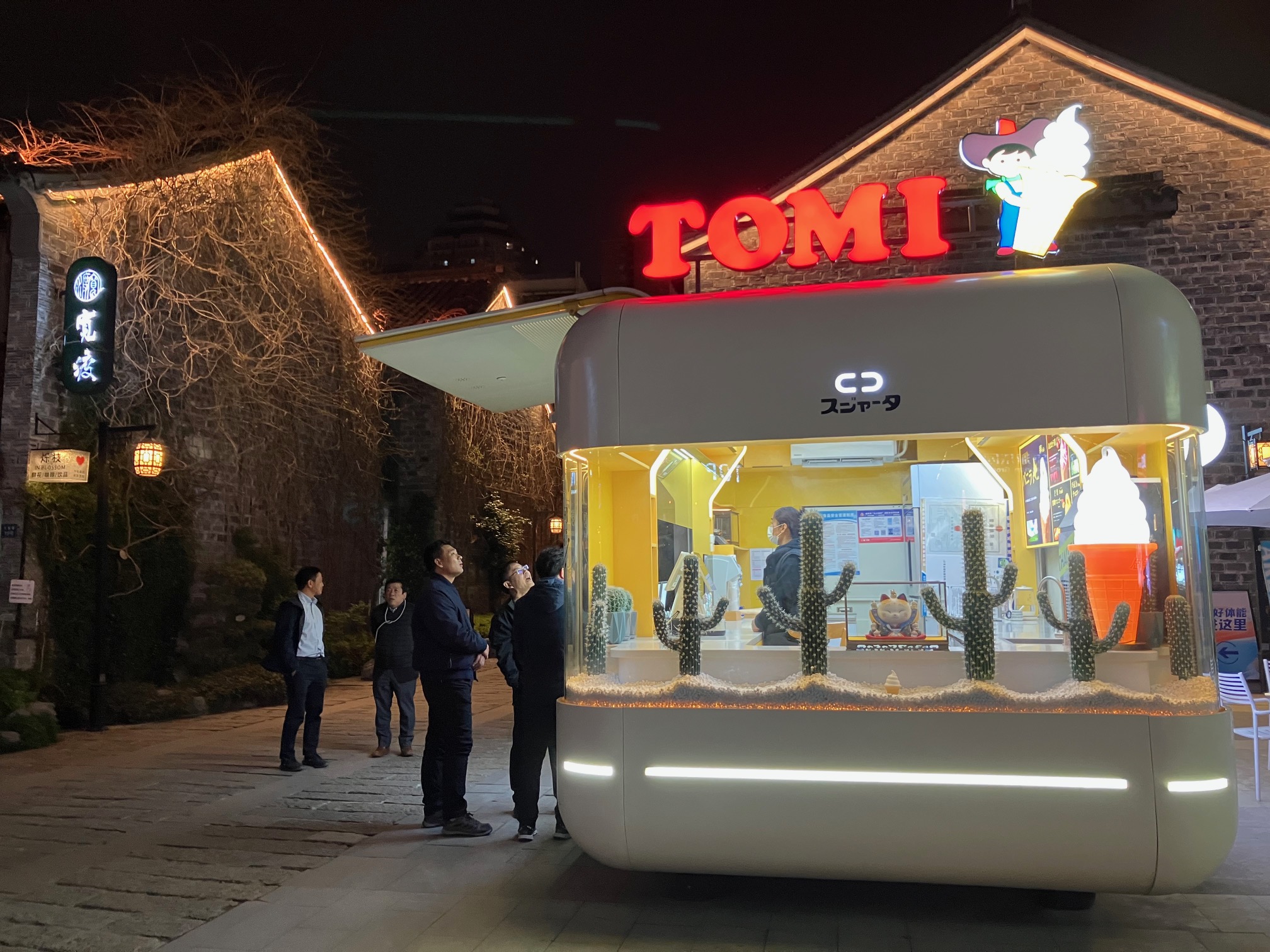
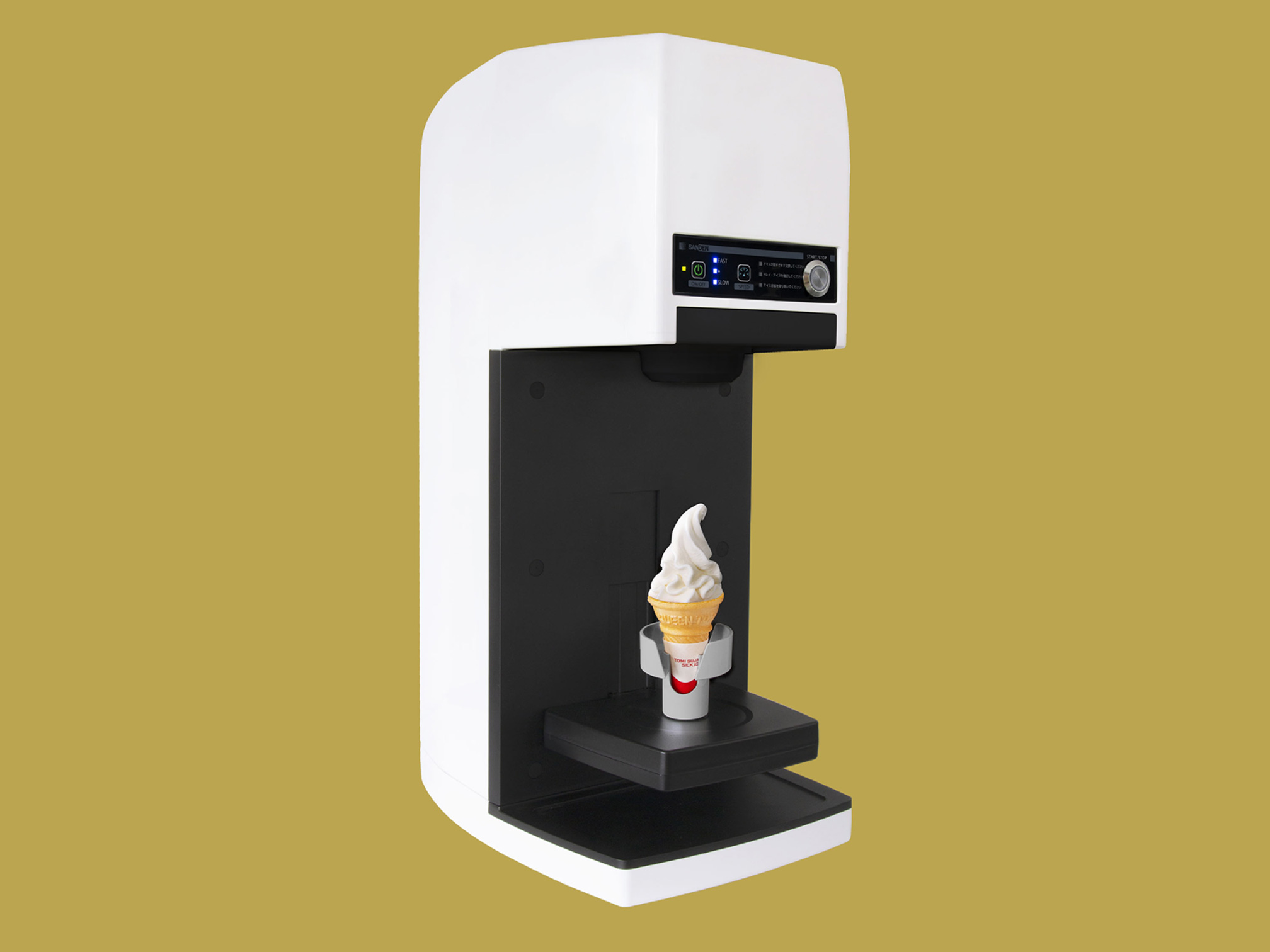
That approach is especially clear in TOMI, Sujahta Meiraku’s soft-serve solution for hotels, restaurants and other foodservice operators facing labor shortages and rising pressure to simplify operations. “This system allows high-quality servings to be reproduced at the push of a button, even without specialized technical skill,” Hibi said. “Thanks to its one-way container capsule design, there is no need for sterilizing the machine itself, which dramatically reduces the workload on site.”
In the end, Sujahta Meiraku’s global ambition reaches beyond ice cream alone. “Our goal is not simply to export products,” Hibi said. “It is to bring Japanese quality, technique and care to the world.”
From a Shinkansen favorite remembered by travelers to foodservice solutions designed for global operators, Sujahta Meiraku is translating a Japanese standard of hospitality into forms that can travel. In doing so, the company is aiming to turn a familiar domestic success into something larger: a global business built on trust, precision and experiences people want to return to.